The Hidden Costs of Stockouts (And How to Prevent Them)
Saujan Thapa
December 4, 2025
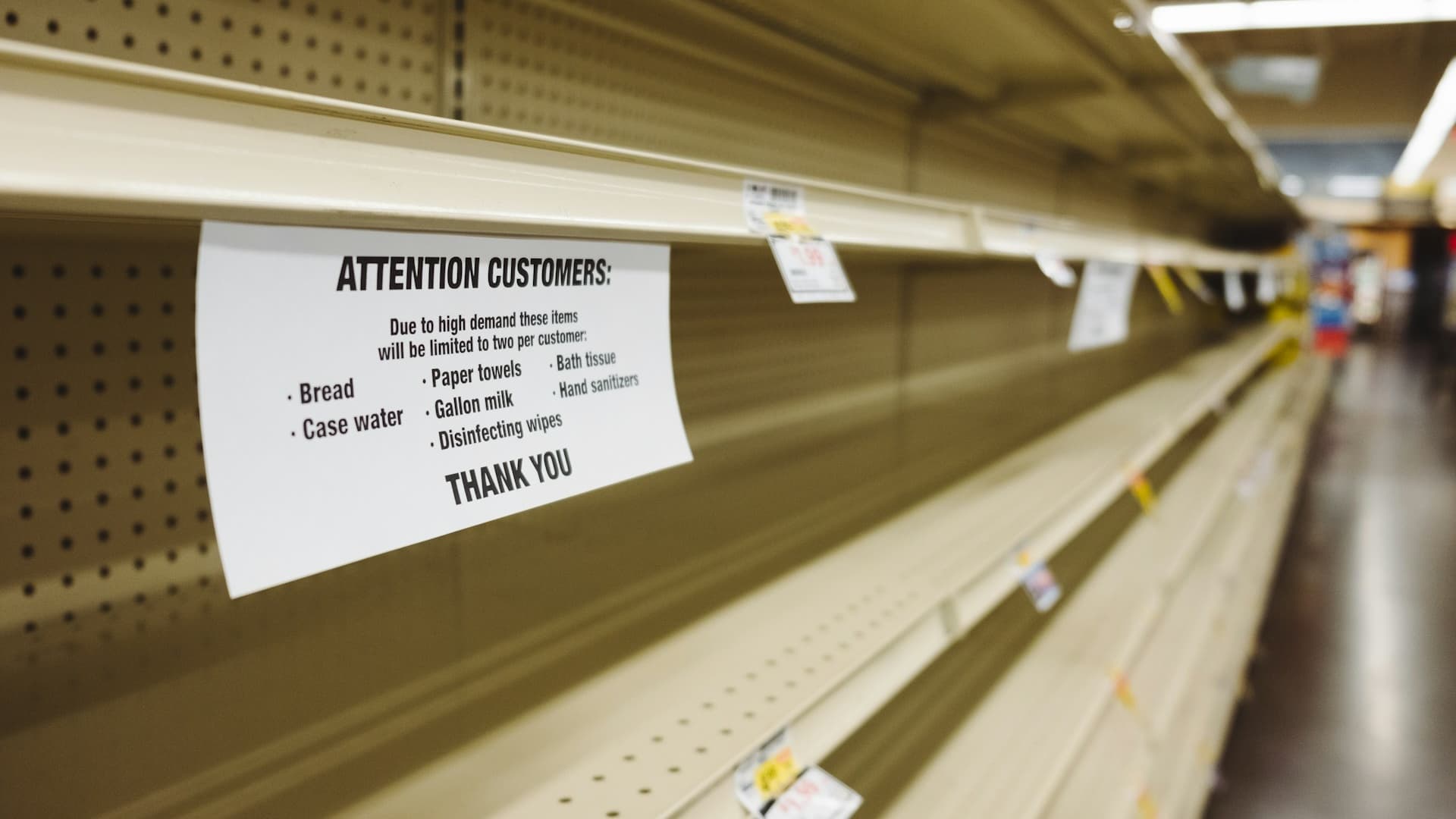
Photo by Wesley Tingey on Unsplash
Running a boutique, café, or online store means keeping shelves stocked and customers happy. But when an item unexpectedly runs out, the impact goes far beyond a missed sale. Stockouts cost businesses time, money, and customer loyalty — often in ways that aren’t immediately visible.
If stockouts happen more often than you'd like, you’re not alone. Many business owners underestimate how disruptive they can be and how easily they can be prevented with better inventory management.
Here’s a breakdown of the hidden costs of stockouts — and clear steps you can take to avoid them for good.
1. Lost Sales and Missed Revenue
The most obvious impact of stockouts is losing the sale in front of you. But the real cost is bigger:
- Customers turn to competitors
- Repeat buyers lose trust
- Upsell opportunities disappear
Even a small, fast-moving item being out of stock for a single day can create a ripple effect that affects your entire week’s revenue.
Pro Tip: Use tools like Savannaah to track low-stock items in real time so you can reorder before inventory runs out.
2. Damage to Brand Reputation
Customers expect consistency. When they repeatedly encounter “OUT OF STOCK,” your brand reliability takes a hit.
For boutiques, this can mean losing loyal shoppers. For cafés, it could mean customers skipping their daily visit. For online stores, abandoned carts rise quickly when key items aren’t available.
With Savannaah’s automated stock alerts and inventory visibility, you can maintain consistent product availability — and customer trust.
3. Higher Operational Costs
Stockouts rarely come alone. They often trigger:
- Emergency restocking fees
- Rush shipping
- Overtime for staff
- Increased customer service inquiries
What could’ve been a simple scheduled reorder becomes a costly scramble.
Benefit: With planned inventory management and automated reorder points, you avoid expensive last-minute decisions.
4. Poor Inventory Insights Lead to Repeated Mistakes
Many stockouts happen because of outdated spreadsheets or scattered systems. Without accurate data, it’s hard to know:
- Which items sell fastest
- What your true reorder points are
- When seasonal spikes occur
This leads to repeated stockouts — and repeated losses.
With a centralized tool like Savannaah, you can monitor real-time stock levels, understand trends, and avoid the most common inventory management mistakes.
5. Disrupted Customer Experience
For cafés, running out of ingredients means changing the menu on the fly. For boutiques, it may mean telling customers a popular item won’t be back for weeks. For online stores, it can mean delayed orders or cancellations.
These disruptions don’t just hurt a single sale — they affect the overall experience and how customers perceive your business.
How to Prevent Stockouts (Without Overbuying)
Avoiding stockouts doesn’t mean stocking too much. It means being smart with your inventory.
Here are simple ways to do that:
• Automate Low-Stock Alerts
Never rely on memory or manual checks. Automated alerts ensure you reorder at the right time.
• Set Accurate Reorder Points
Calculate reorder levels based on actual sales data — not guesswork.
• Use a Centralized Inventory System
Stop switching between spreadsheets, notebooks, and POS systems. A single dashboard reduces errors and keeps your team aligned.
• Track Seasonal Trends
Look at past sales to predict busy seasons or product spikes.
• Integrate Inventory With Orders & Accounting
With systems connected, stock updates instantly, invoices sync automatically, and errors disappear.
Savannaah combines these features so you can stay stocked up without overbuying or overspending.
Final Thoughts
Stockouts don’t just cost you sales — they affect your reputation, profit margins, and customer experience. By implementing smarter inventory processes and using tools like Savannaah, you can avoid stockouts entirely and keep your business running smoothly.
Stop reacting to stockouts and start preventing them — your customers (and your bottom line) will thank you.
© 2023 All Rights Reserved (Build abd6130)